
Buying rural land in Loma and Mack, near Grand Junction, CO, involves more than price and acreage. You must check zoning rules, confirm legal access, review water rights, and understand development limits before closing. Missing these steps can delay or block your plans.
Why Is Rural Land in Loma and Mack Attracting Buyers?
Rural land in Loma and Mack is gaining attention due to lower costs, open space, and flexible use compared to city properties. Buyers are drawn to privacy, agricultural potential, and long-term investment value. These areas also offer access to outdoor recreation without being far from Grand Junction.
The appeal often starts with affordability. Compared to residential lots in central Grand Junction, parcels in Loma and Mack tend to offer more land for the same budget. That makes them attractive for buyers planning custom homes, hobby farms, or small-scale ranching.
Another factor is lifestyle. Many buyers want distance from dense neighborhoods while still staying within reach of essential services. Loma and Mack provide that balance. At the same time, these properties come with responsibilities that urban buyers may not expect, which makes due diligence essential.
What Zoning Rules Should You Check Before Buying?
Zoning defines how you can legally use your land. In Mesa County, zoning codes control residential builds, agricultural use, livestock limits, and even temporary structures. You must confirm zoning before making any purchase decisions.
Start by reviewing the zoning designation of the parcel. Agricultural zoning may allow animals and farming but limit commercial use. Residential zoning may permit a home but restrict farming activities or additional structures.
It is also important to check setback requirements, building height limits, and subdivision rules. Some buyers assume they can split land later, but zoning may not allow it. Always verify this with Mesa County planning officials before moving forward.
How Do Water Rights Affect Rural Property Purchases?
Water rights are separate from land ownership in Colorado. Buying land does not guarantee access to water. You must confirm whether the property includes legal water rights or access to a well or irrigation system.
In Loma and Mack, water access can vary widely. Some parcels include irrigation rights through local canals, while others rely on wells. Each option comes with its own rules and costs.
Well permits may limit how much water you can use and for what purpose. Irrigation rights may require maintenance fees or shared agreements with neighboring landowners. Before closing, review documentation carefully and consider consulting a water rights expert to avoid long-term issues.
What Access and Easements Should You Verify?
Legal access is a common issue in rural land purchases. A property must have recorded, legal access from a public road or a valid easement. Without it, you may not be able to build or even reach your land.
Do not rely on visible dirt roads or verbal agreements. These do not always count as legal access. Instead, check the title report and county records for documented easements.
Also review utility easements. Power lines, pipelines, or shared driveways may affect where you can build. Understanding these limitations early helps you plan your layout and avoid conflicts after purchase.
Can You Build Immediately on Rural Land?
Not all rural land is ready for construction. Even if zoning allows a home, the property must meet several conditions before building can begin. This includes access, water, and septic approval.
In Mesa County, many rural properties require a septic system rather than a sewer connection. A soil test is needed to confirm the land can support a septic system. If it fails, building may not be possible without costly solutions.
You also need to consider utility connections. Extending electricity or drilling a well can add significant costs. Buyers often overlook these expenses when budgeting for land purchases.
What Are the Hidden Costs of Buying Rural Property?
The purchase price is only one part of the total cost. Rural land often comes with additional expenses that buyers do not expect at first.
These may include:
- Well drilling or water system installation
- Septic system design and installation
- Utility extensions such as electricity or internet
- Road improvements or driveway construction
- Ongoing maintenance for irrigation systems or shared access
These costs can add up quickly. It is wise to get estimates before making an offer so you can plan your budget accurately.
How Does Soil and Terrain Impact Your Plans?
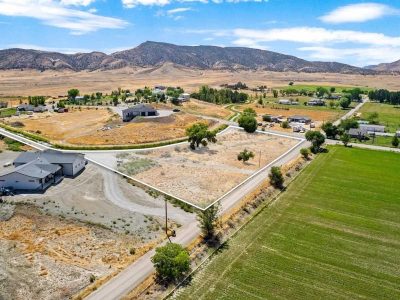 The physical condition of the land affects what you can build and how much it will cost. Soil quality, slope, and drainage all play a role in development.
Flat land with stable soil is easier and less expensive to build on. Steep or rocky terrain may require grading, retaining walls, or specialized foundations. Poor drainage can lead to flooding or septic issues.
A professional land survey and soil test can provide clear answers. These steps may seem optional, but they can prevent costly surprises after purchase.
Are There Restrictions Beyond Zoning?
Zoning is only one layer of rules. Rural properties in Loma and Mack may also be subject to covenants, HOA guidelines, or environmental restrictions. These can limit how you use your land even if zoning appears flexible.
Some parcels have deed restrictions that control building size, appearance, or land use. Others may fall under conservation easements, which protect natural features but restrict development.
You should review all recorded documents tied to the property. A title company or real estate professional can help identify these restrictions before closing.
What Financing Options Are Available for Rural Land?
Financing rural land is different from buying a home. Many traditional lenders see vacant land as higher risk, which can affect loan terms.
Buyers often need larger down payments, sometimes 20 to 50 percent. Interest rates may also be higher compared to residential mortgages.
Some buyers choose local banks or credit unions familiar with Mesa County land transactions. Seller financing is another option in some cases. It is helpful to explore multiple options early so you know what to expect.
How Can You Make a Smart Investment in Loma and Mack?
A successful land purchase comes down to research and planning. Buyers who take time to review zoning, water rights, and access details are less likely to face problems later.
Work with professionals who understand rural property in the Grand Junction area. This includes real estate agents, surveyors, and legal experts who can guide you through each step.
Think long-term. Consider how the land will serve your needs in five or ten years. Whether you plan to build, farm, or hold the property as an investment, clarity at the start makes a big difference.
FAQ: Buying Rural Land in Loma and Mack
Do I need water rights to build a home in Loma or Mack?
You do not always need full water rights, but you must have a legal water source. This could be a permitted well or access to a shared system. Always confirm water availability before purchase.
Can I live off-grid on rural land in Mesa County?
Off-grid living is possible in some areas, but it depends on zoning and local regulations. You still need to meet health and safety standards, including water and waste systems.
How long does it take to prepare land for building?
Timelines vary based on permits, utility setup, and site conditions. It can take several months to over a year before construction begins.
Is rural land a good investment in Grand Junction, CO?
Rural land can be a strong long-term investment, especially as demand grows for open space and custom builds. Value depends on location, access, and development potential.
What is the biggest mistake buyers make?
The most common mistake is skipping due diligence. Buyers often assume they can build or use the land freely without verifying zoning, access, or water rights.
Conclusion
Buying land in Loma and Mack requires careful review of zoning, water access, and development limits. Each step shapes what you can do with your property and how much it will cost over time.
Work with Kokopelli Real Estate LLC to navigate rural property purchases in Grand Junction, CO. Get guidance that helps you make informed decisions and move forward with confidence when buying land in Loma and Mack. Schedule a consultation with the team today.