
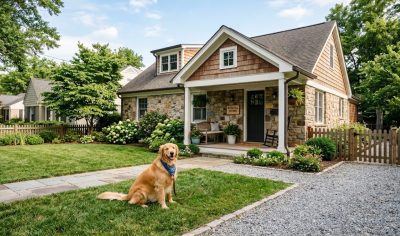
Pet-friendly rentals in Fruita and Palisade attract a larger pool of renters, reduce vacancy periods, and often lead to longer lease terms. The key is having clear pet policies that protect the property while welcoming responsible pet owners. A strong policy sets expectations early, lowers disputes, and helps landlords screen for tenants who treat rental homes with care.
Many renters in western Colorado own pets, especially people drawn to outdoor living and active lifestyles. Property owners who adapt to this demand can stay competitive while still reducing financial and legal risks.
Why Are Pet-Friendly Rentals Growing in Fruita and Palisade?
Pet ownership continues to rise, and many renters now search for housing based on whether pets are allowed. In smaller Colorado communities, pet-friendly inventory is often limited, which gives landlords an advantage when their policies are structured correctly.
In areas like Fruita and Palisade, renters often spend time hiking, biking, and enjoying outdoor recreation with their pets. That lifestyle creates strong demand for rentals with flexible pet rules, fenced yards, and nearby walking areas.
Landlords sometimes avoid pets because of fears about damage or complaints. Those concerns are understandable, but blanket “no pet” rules can shrink the tenant pool and increase vacancy times. A better approach is to create standards that filter out high-risk situations while welcoming qualified tenants.
Well-managed pet policies often lead to:
- Longer tenant retention
- More rental applications
- Reduced vacancy periods
- Stronger tenant relationships
- Higher perceived property value
The policy itself matters more than whether pets are allowed.
What Should a Strong Pet Policy Include?
A pet policy should answer every major question before the lease is signed. Clear expectations reduce confusion and help property owners enforce rules consistently.
The best policies explain:
- Allowed pet types and breeds
- Maximum number of pets
- Weight or size limits
- Vaccination requirements
- Noise and nuisance standards
- Waste cleanup responsibilities
- Property damage expectations
- Pet deposit or pet rent details
Many landlords make the mistake of writing vague language such as “pets allowed upon approval.” That creates room for disagreements later. Specific rules are easier to enforce and easier for tenants to understand.
For example, a policy may state that dogs must remain leashed in common areas, excessive barking can result in lease violations, and all pets must be registered before move-in. These details matter because they create measurable standards instead of subjective opinions.
Property owners in the Grand Valley also benefit from reviewing local ordinances before creating restrictions. Breed-specific language, service animal rules, and fair housing requirements should all align with Colorado law.
How Do You Attract Responsible Pet Owners?
Responsible pet owners usually look for rentals where expectations are clear from the beginning. They want transparency, fair rules, and landlords who understand how pets fit into daily life.
One of the most effective strategies is using a pet application process. This helps landlords evaluate the pet separately from the tenant screening process.
A strong pet application may include:
- Veterinary records
- Vaccination history
- Breed and weight information
- Photos of the pet
- Previous landlord references
- Proof of training classes if applicable
This process often discourages irresponsible applicants before they even apply. Tenants who take the time to provide detailed records are usually more prepared to follow lease requirements.
Marketing also plays a role. Listings that simply say “pets negotiable” often create uncertainty. Instead, explain the property’s pet guidelines directly in the listing description.
For example: “Dogs under 50 pounds considered with approval, a pet deposit, and completed pet screening.”
That wording attracts renters who already understand the process.
In competitive rental markets like Fruita, pet-friendly homes with structured rules can stand out quickly among listings with strict restrictions or unclear requirements.
Which Pet Rules Help Reduce Property Damage?
Property damage concerns are one of the biggest reasons landlords avoid pets. Most issues come from a small number of poorly managed situations rather than the pets themselves.
Preventing damage starts before move-in. Flooring, maintenance standards, and inspections all play a major role.
Hard-surface flooring often performs better than carpet in pet-friendly rentals. Luxury vinyl plank flooring is especially popular because it resists scratches, stains, and moisture better than many traditional materials.
Landlords should also schedule regular inspections during the lease period. Small problems become expensive repairs when they go unnoticed for months.
Helpful damage prevention practices include:
- Requiring flea prevention treatments
- Setting grooming expectations
- Using detailed move-in photos
- Conducting periodic inspections
- Installing durable flooring materials
- Defining outdoor pet areas clearly
Another overlooked issue is unauthorized pets. A tenant may move in with one approved dog and later add another animal without permission. Lease agreements should explain penalties for unapproved pets and outline how violations are handled.
Some property owners also limit puppies or kittens because younger animals are more likely to cause chewing or scratching damage. That approach can reduce risk without banning pets entirely.
Should Landlords Charge Pet Deposits or Pet Rent?
Pet deposits and pet rent serve different purposes. A deposit helps cover possible damage, while monthly pet rent increases recurring income tied to additional wear on the property.
Many landlords use both.
Pet deposits are typically refundable if no damage occurs beyond normal wear and tear. Pet rent is generally nonrefundable and added to monthly rent payments.
The right amount depends on:
- Property size
- Flooring type
- Number of pets
- Local market demand
- Colorado Law caps pet security deposits at $300 per pet.
In parts of western Colorado, renters often expect some form of pet-related fee. Problems usually happen when fees appear inconsistent or unexplained.
Landlords should clearly define:
- Refundable vs. nonrefundable charges
- Conditions for deductions
- Cleaning responsibilities
- Limits on future pets
Transparency matters because unclear charges can create disputes at move-out.
Property owners should also understand Colorado regulations regarding security deposits and fee structures. State requirements may affect how funds are collected, stored, and returned.
How Can Property Managers Handle Complaints Fairly?
Noise complaints, waste issues, and leash violations can create tension in rental communities. Consistency is what protects both tenants and property owners.
A written complaint process helps avoid emotional decision-making. Instead of reacting differently to each situation, landlords can follow the same documented steps every time.
A fair process may include:
- Written warning
- Documentation of repeated violations
- Opportunity to correct the issue
- Lease enforcement if problems continue
This structure protects landlords if disputes escalate later.
Many issues are preventable through property design. Providing waste stations, defining dog-walking areas, and maintaining outdoor lighting can improve tenant behavior naturally.
Communication also matters. Tenants are more likely to report concerns early when management responds professionally and consistently.
For multi-unit properties in Palisade and nearby Grand Valley communities, proactive communication often reduces neighbor conflicts before they become lease problems.
What Mistakes Do Landlords Commonly Make With Pet Policies?
 Some landlords create policies that are either too restrictive or too vague. Both approaches can create problems.
Overly restrictive policies may:
- Reduce application volume
- Increase vacancy times
- Push responsible tenants elsewhere
Vague policies often create enforcement problems because tenants interpret rules differently.
Another common mistake is failing to update lease language over time. Market conditions, insurance rules, and local regulations change. Policies should be reviewed regularly to stay current.
Landlords also sometimes rely only on verbal agreements. Every pet-related rule should appear in writing within the lease or pet addendum.
Ignoring insurance coverage is another major issue. Some insurance providers restrict certain breeds or pet-related liability claims. Owners should confirm coverage details before approving pets.
The strongest policies balance flexibility with structure. They protect the property without making responsible tenants feel unwelcome.
Why Professional Property Management Helps With Pet-Friendly Rentals
Managing pet policies takes time, consistency, and legal awareness. Screening applicants, handling complaints, documenting inspections, and updating lease agreements all require careful attention.
Professional property management can simplify this process by creating systems that reduce risk while keeping rentals competitive.
Experienced managers understand:
- Fair housing compliance
- Pet screening procedures
- Lease enforcement
- Maintenance planning
- Tenant communication
- Local rental market trends
In the Grand Valley area, many property owners want pet-friendly policies but do not want the stress of handling disputes or screening challenges alone.
FAQ: Pet-Friendly Rental Policies
Are pet-friendly rentals more profitable?
Pet-friendly rentals can attract more applicants and reduce vacancy periods. Many renters are willing to pay pet rent or deposits for housing that accepts animals. Strong policies help property owners increase revenue while managing risks.
Can landlords deny certain dog breeds?
Some landlords and insurance companies restrict specific breeds based on liability concerns. Policies should follow Colorado housing laws and avoid discriminatory language that conflicts with fair housing requirements.
How often should landlords inspect pet-friendly rentals?
Many property managers schedule inspections every three to six months. Regular inspections help identify small maintenance issues early and confirm lease compliance.
What is the difference between pet rent and a pet deposit?
Pet rent is a recurring monthly charge for additional wear on the property. A pet deposit is typically refundable and used to cover repair costs related to pet damage.
Should landlords allow multiple pets?
Allowing multiple pets depends on the property size, layout, and condition. Many landlords set limits to reduce noise, damage, and maintenance concerns while still remaining pet-friendly.
Creating Pet Policies That Support Long-Term Rental Success
Pet-friendly rentals can perform extremely well when policies are clear, fair, and consistent. Property owners who set strong standards often attract responsible tenants while lowering avoidable risks. Well-structured rules also improve tenant relationships and help protect the property over time.
Kokopelli Real Estate LLC helps rental property owners create practical management strategies for homes in Grand Junction, Fruita, and Palisade. Our experience with property management and local rental trends helps landlords build policies that support both tenant satisfaction and long-term property value. Schedule a consultation today.