
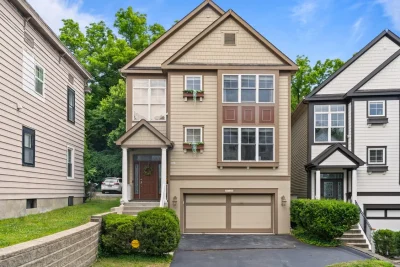
Building a rental property portfolio in Mesa County starts with buying the right property, not simply buying more properties. A successful portfolio needs a repeatable process for choosing investments, checking cash flow, managing risk, and deciding when to acquire the next property.
That does not mean every property will produce strong returns. The numbers can change significantly by neighborhood, property type, condition, financing, and management costs. The goal is to build a portfolio where each purchase makes sense on its own and also supports your larger investment plan.
1. Define Your Portfolio Strategy Before Buying
Your first step should be deciding what you want the portfolio to accomplish and what type of rentals fit that goal. Investors seeking monthly cash flow may look for different properties than investors focused on long-term appreciation, lower management demands, or a mix of both.
Start by setting three targets: your available investment capital, your desired monthly cash flow, and your intended portfolio size. Then decide whether you want single-family homes, townhomes, small multifamily properties, or a combination.
A simple investment plan might look like this:
- Buy one property that can operate with positive cash flow.
- Maintain cash reserves after closing.
- Stabilize the property before pursuing another purchase.
- Use proven income and expense records when evaluating future financing.
- Increase property count only when the existing portfolio can handle another vacancy or major repair.
This approach prevents a common mistake: treating the number of doors as the goal. Ten poorly performing rentals can create more financial pressure than three well-run properties.
2. Study Mesa County Rental Demand Before Choosing A Property
Rental demand should guide your property search because a property is only useful to your portfolio if qualified tenants want to rent it. Mesa County includes several communities with different price points, tenant profiles, and rental characteristics, so investors should compare individual markets rather than relying on countywide averages.
Look beyond the advertised rent. Check:
- How long comparable homes remain available.
- Which bedroom counts have the strongest demand.
- Whether tenants expect garages, yards, laundry, or other features.
- Typical utility arrangements.
- Property taxes and insurance costs.
- Nearby employment, schools, shopping, and transportation.
- The condition and quality of competing rentals.
An investor should also compare several months of rental listings instead of using one active listing as the rent benchmark. Asking rent is not the same as achieved rent.
3. Build A Property-Level Investment Model
A rental property should be judged by its complete financial picture rather than its expected rent alone. Before making an offer, estimate income, operating expenses, financing, vacancy, repairs, and reserves to determine whether the property works under realistic conditions.
For example, suppose a property could rent for $1,800 per month. Annual gross rent would be $21,600 before vacancy and other adjustments. From there, account for property taxes, insurance, maintenance, management, utilities paid by the owner, HOA costs, turnover, vacancy, and capital repairs.
Do not assume that every dollar of rent becomes cash flow.
A useful underwriting model should include:
Gross rental income – vacancy – operating expenses – debt service = estimated cash flow
Also calculate cash-on-cash return, cap rate, and return on invested capital. Each metric answers a different question. Cash flow shows what the property may produce monthly, cap rate helps compare property performance without financing, and cash-on-cash return measures the income produced relative to the cash you invested.
Stress-test the deal before buying. Run a version with higher repairs, several weeks of vacancy, and a lower rent than expected. If the numbers collapse under a reasonable setback, the purchase may leave too little room for error.
4. Perform Due Diligence Before Making The Property Part Of Your Portfolio
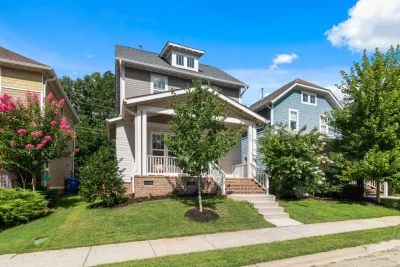
Due diligence should confirm that the property can support the assumptions in your investment model. The inspection is only one part of this process; investors also need to investigate leases, expenses, property condition, rental history, insurance, taxes, and any restrictions that could affect the investment.
Review the property with a landlord’s mindset. A house that looks attractive to an owner-occupant may have expensive features or maintenance needs that reduce rental returns.
Pay close attention to:
- Roof age and condition.
- HVAC equipment and expected remaining life.
- Plumbing and electrical systems.
- Windows and exterior surfaces.
- Drainage and irrigation.
- Appliances.
- Parking and storage.
- HOA rules and rental restrictions.
- Existing tenant agreements.
- Recent repair and maintenance records.
For an occupied property, compare actual collected rent with the advertised or projected rent. A seller’s pro forma is not proof of performance.
Colorado rental rules also deserve attention. State law limits most residential security deposits to two months’ rent, and 2025 legislation changed rules surrounding security-deposit deductions and documentation beginning January 1, 2026. Investors should verify current requirements before setting lease terms or handling deposits.
5. Prepare The Property For Reliable Rental Performance
The best rental upgrades are not always the most expensive ones. Investors should spend money where it improves tenant appeal, reduces recurring maintenance, or protects the property from higher future costs.
Before listing, address safety and deferred maintenance first. Then consider practical improvements such as durable flooring, fresh paint, updated lighting, reliable appliances, functional landscaping, and clean exterior areas.
Avoid remodeling simply because a property could look more luxurious. A $20,000 renovation does not automatically create $20,000 of additional rental income.
Think about durability as well. Rental finishes experience more wear than owner-occupied homes. Materials that are easy to clean and repair can reduce turnover costs over several lease cycles.
People Also Ask
Is Grand Junction Good For Rental Property Investment?
Grand Junction can be attractive for rental investors because it has an established rental market and varied property options. Investors should evaluate each property based on its purchase price, expenses, financing, and expected tenant demand.
How Much Money Do I Need To Start A Rental Property Portfolio?
There is no single amount because the required capital depends on the property price, financing, down payment, closing costs, repairs, and reserves. A safer plan keeps cash available after closing instead of putting every available dollar into the purchase.
Should I Buy One Rental Property At A Time?
For many first-time investors, buying one property, stabilizing it, and reviewing its real performance before purchasing another can reduce risk. This gives you real operating data before you commit more capital.
What Should I Check Before Buying A Rental Property?
Review achievable rent, vacancy assumptions, taxes, insurance, maintenance, financing, HOA restrictions, property condition, and local rental rules. An inspection should be paired with financial and document reviews rather than treated as the entire due-diligence process.
When Should I Hire A Property Manager?
Property management can make sense when you lack time, live away from the property, or have enough rentals that tenant and maintenance issues interfere with your other responsibilities. A manager can also provide systems for leasing, inspections, maintenance, rent collection, and financial reporting.
Build Your Mesa County Portfolio One Sound Deal At A Time
A strong rental portfolio is built through disciplined acquisitions, realistic financial models, careful due diligence, and consistent property management. For investors pursuing rental property investment Grand Junction, the best strategy is to make each property work before using it as a foundation for the next purchase.
Kokopelli Real Estate’s property management team helps Mesa County investors evaluate rental opportunities and manage properties after purchase. Use the Rental Property Analysis Tool to estimate cash flow, ROI, and cap rate before taking the next step.