

Buying a home with a homeowners association means agreeing to a shared set of rules, fees, and community standards. In the Grand Valley, HOAs are common in newer developments, planned communities, and neighborhoods with shared amenities. Buyers in the Redlands and Fruita should review HOA documents carefully because fees, restrictions, and services can vary widely from one neighborhood to another.
Many buyers in Grand Junction focus only on the home price and overlook how an HOA affects monthly costs and daily living. Some associations are very hands-on, while others play a limited role. Understanding what an HOA covers before closing can help buyers avoid surprises and choose a neighborhood that fits their lifestyle.
What Does an HOA Actually Do in Grand Valley Neighborhoods?
An HOA manages shared areas and enforces neighborhood standards. Most associations in the Grand Valley collect fees to maintain landscaping, private roads, parks, irrigation systems, clubhouses, or pools. They also create rules designed to keep the community visually consistent and protect property values.
In neighborhoods across Fruita and the Redlands area, HOA responsibilities often depend on the age and layout of the subdivision. A smaller community may only handle entrance maintenance and snow removal. Larger developments may oversee architectural approvals, recreational facilities, and long-term reserve planning.
Many buyers assume all HOAs operate the same way. That is rarely true. Two nearby neighborhoods may have completely different fee structures, pet policies, parking restrictions, or rental rules. Reviewing the covenants, conditions, and restrictions early in the buying process can prevent problems after move-in.
Why Are HOAs Common in Redlands and Fruita?
HOAs became more common as planned communities expanded throughout western Colorado. Developers often establish associations to manage shared infrastructure and maintain neighborhood appearance after construction is complete.
In the Redlands area near Grand Junction, HOAs are especially common in neighborhoods with golf course access, trail systems, gated entries, or higher-end custom homes. These communities often attract buyers looking for organized upkeep and stronger neighborhood standards.
Fruita developments frequently use HOAs to maintain parks, irrigation systems, and community open spaces. Because Fruita has grown steadily in recent years, many newer subdivisions include associations from the start. Buyers relocating from areas without HOAs may find the structure unfamiliar at first.
This setup can benefit residents when associations are well-managed. Common areas stay maintained, landscaping standards remain consistent, and shared amenities receive regular upkeep. Problems usually arise when buyers do not fully understand the rules before purchasing.
What HOA Fees Should Buyers Expect?
HOA fees in the Grand Valley can range from modest quarterly dues to higher monthly assessments tied to luxury amenities. The amount depends on what the association maintains and whether major future repairs are being funded through reserve accounts.
Lower-cost HOAs may only cover neighborhood entrances or shared irrigation systems. Mid-range associations often include landscaping maintenance, snow removal, and park upkeep. Communities with pools, clubhouses, fitness centers, or private roads usually charge higher fees.
Buyers in Fruita should also ask whether special assessments have occurred recently. A low monthly fee may look appealing until an unexpected assessment arrives for road repairs or drainage projects. Reviewing reserve studies and financial statements can reveal whether the HOA is financially stable.
One detail many buyers miss is how irrigation water is handled. Some Grand Valley communities include irrigation maintenance in HOA dues, while others place responsibility on homeowners individually. In western Colorado, that distinction can affect both maintenance costs and landscaping expectations.
Which HOA Rules Tend to Surprise Buyers?
Most HOA rules focus on property appearance, parking, pets, rentals, and exterior changes. Buyers are often surprised by how specific these guidelines can become.
Some associations limit RV parking, trailer storage, or work vehicles visible from the street. Others regulate fence colors, landscaping materials, or holiday decorations. Buyers planning to build sheds, install solar panels, or rent the property short-term should verify whether those uses are allowed.
In the Redlands neighborhoods, architectural review committees are common in communities with custom homes. Exterior modifications may require formal approval before construction begins. That can include paint colors, roof materials, patio additions, or even tree removal.
Rental restrictions deserve close attention. Some HOAs limit short-term rentals entirely, while others cap the number of investor-owned properties in the community. Buyers purchasing homes as long-term investments should never assume rentals are automatically permitted.
Are HOA Communities Better for Property Values?
Well-managed HOAs often help neighborhoods maintain stronger visual consistency. Clean common areas, maintained landscaping, and organized upkeep can make communities more appealing to future buyers.
That does not mean every HOA automatically increases home values. Poor financial management, unresolved maintenance problems, or excessive restrictions can discourage buyers. A neighborhood with low dues but neglected infrastructure may face resale challenges later.
The strongest associations usually balance enforcement with practicality. They maintain standards without creating unnecessary conflict between residents and board members. Buyers should review meeting notes if possible because they can reveal ongoing disputes or repeated maintenance concerns.
In parts of the Grand Valley, HOA-managed communities also tend to attract buyers relocating from larger metro areas where associations are already common. These buyers often expect neighborhood consistency and shared amenity maintenance.
What Questions Should Buyers Ask Before Purchasing?
Buyers should request HOA documents as early as possible. Waiting until the final stages of closing leaves little time to review restrictions or financial records carefully.
A few questions can quickly reveal whether an association is well managed:
How financially stable is the HOA?
A healthy reserve fund helps cover long-term repairs without large surprise assessments. Buyers should ask whether reserves are fully funded and whether major projects are planned within the next few years.
Are there ongoing disputes or lawsuits?
Legal disputes involving contractors, homeowners, or builders can increase costs for residents. Active litigation may also complicate financing during the mortgage process.
How strict is rule enforcement?
Some HOAs issue frequent violations over minor issues, while others take a more flexible approach. Reviewing recent meeting minutes may show how aggressively rules are enforced.
What services are included in the dues?
The answer may include landscaping, irrigation, trash removal, snow removal, or recreational amenities. Buyers should compare those services against the actual fee amount rather than focusing only on the monthly cost.
How Do HOA Documents Affect the Closing Process?
HOA disclosures are part of the due diligence process during a real estate transaction. Buyers typically receive governing documents, financial statements, meeting minutes, and fee details before closing.
These documents matter because they become legally binding once the sale is complete. Buyers who skip the review process may later discover restrictions that conflict with their plans for the property.
Lenders also pay attention to HOA health. Associations with high delinquency rates, inadequate reserves, or unresolved legal problems can create financing obstacles. In some cases, buyers may face stricter lending requirements for homes within troubled associations.
Experienced local agents often help buyers identify warning signs early. That guidance becomes especially valuable in competitive markets where buyers may feel pressured to move quickly.
Are Non-HOA Neighborhoods Still Available in the Grand Valley?
Yes, buyers can still find neighborhoods without HOAs throughout the Grand Valley. Older areas of Grand Junction and some rural properties outside Fruita often operate without formal associations.
Non-HOA neighborhoods usually offer more flexibility for RV parking, workshops, livestock allowances, or exterior modifications. Buyers seeking fewer restrictions often prefer these properties.
The tradeoff is that maintenance standards may vary more from property to property. Shared amenities are also less common. Some buyers appreciate the freedom, while others prefer the structure and consistency of HOA-managed communities.
Choosing between HOA and non-HOA living depends heavily on lifestyle preferences, long-term plans, and comfort with community regulations.
What Should First-Time Buyers Know About HOA Living?
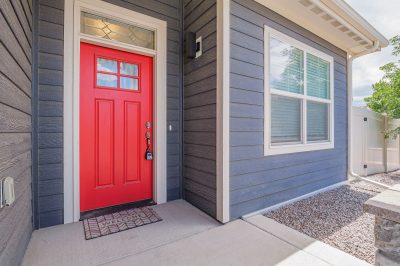 First-time buyers sometimes underestimate how much HOA policies affect daily routines. Before buying, it helps to think about future plans instead of only current needs.
A buyer who works from home may need to confirm business-use restrictions. Someone with a recreational vehicle should check the parking rules carefully. Buyers planning future renovations should understand architectural approval procedures ahead of time.
It is also smart to attend an HOA meeting if possible. Observing how board members interact with residents can provide useful insight into community culture and management style.
The best HOA experiences usually happen when expectations are clear from the beginning. Buyers who understand the rules, fees, and community structure before closing are far less likely to encounter frustration later.
FAQs About HOAs in the Redlands and Fruita
Are HOA fees negotiable when buying a home?
HOA fees are set by the association and usually cannot be negotiated individually. Buyers can sometimes negotiate seller concessions that help offset prepaid dues or transfer costs during closing.
Can an HOA stop homeowners from renting their property?
Yes. Some HOAs restrict short-term rentals or place limits on investor-owned homes. Buyers interested in rental income should review rental policies before making an offer.
What happens if HOA fees are not paid?
Unpaid dues can lead to late fees, liens, or legal action from the association. In serious cases, unpaid HOA balances may affect refinancing or future property sales.
Do all homes in Redlands and Fruita have HOAs?
No. Many newer developments include associations, but older neighborhoods and rural properties may not. Buyers can still find both HOA and non-HOA options throughout the Grand Valley.
Can HOA rules change after buying a home?
Yes. Associations can amend rules and bylaws through board decisions or community voting processes. Buyers should understand that policies may evolve over time.
Final Thoughts on HOA Communities in the Grand Valley
HOAs play a major role in many neighborhoods across the Redlands, Fruita, and the wider Grand Valley. Buyers who review fees, rules, reserve funds, and community expectations carefully are better prepared to choose the right neighborhood for their lifestyle and long-term goals.
Kokopelli Real Estate LLC helps buyers navigate HOA communities throughout the Grand Valley with local market knowledge and property management insight. Our team helps clients understand neighborhood rules, compare community structures, and make informed real estate decisions with confidence. Schedule a consultation today.