
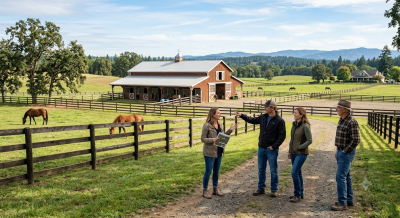
If you’re searching for horse property in Grand Junction, you’ll find everything from small hobby farms to large ranches with riding space, barns, and irrigation rights. Buying horse property requires more research than purchasing a standard home because factors like water access, fencing, zoning, pasture quality, and outbuildings directly affect how well the property supports horses. Understanding these details before making an offer can help you choose a property that fits both your lifestyle and long-term goals.
Whether you’re planning to keep a few horses for recreation or looking for acreage with room to expand, the Grand Valley offers a wide variety of opportunities. Knowing what to evaluate before you buy can help you avoid unexpected costs and make a confident investment.
What Makes Horse Property Different From a Traditional Home?
Horse property in Mesa County, the Redlands, Mack or Loma includes land and features designed to safely house and care for horses. While acreage is often the first thing buyers notice, several other property characteristics are just as important.
Unlike a typical residential home, horse properties often include:
- Barns or stable buildings
- Riding arenas or training areas
- Pasture space
- Hay storage
- Tack rooms
- Fenced turnout areas
- Water systems for livestock
- Equipment storage buildings
A beautiful home alone does not guarantee that a property will meet your needs. Buyers should evaluate how the land functions for horses, not just how attractive it appears.
How Much Land Do You Really Need?
The amount of acreage depends on your riding goals, the number of horses, and how you plan to manage the property. While there is no single rule, more usable land generally provides greater flexibility for grazing, turnout, and future improvements.
Several factors affect usable acreage:
- The quality of pasture
- Irrigation availability
- Terrain and slope
- Existing fencing
- Local climate
- Space for barns and riding facilities
Some buyers discover that five well-managed acres provide more value than ten acres with poor drainage or uneven terrain. Looking beyond acreage alone helps you compare properties more accurately.
Why Are Water Rights and Irrigation So Important?
Water availability can significantly affect the usefulness of horse property. Many acreage homes around Grand Junction include irrigation systems or water rights that help support healthy pasture and landscaping.
When reviewing a property, ask questions about:
- Irrigation water availability
- Existing irrigation equipment
- Seasonal water schedules
- Water delivery costs
- Historical water usage
- Maintenance responsibilities
A property with established irrigation can reduce future improvement costs while helping maintain productive pasture throughout the growing season.
What Should You Inspect Before Buying Horse Property?
A standard home inspection does not always cover every feature found on acreage properties. Horse facilities require additional evaluation to identify repairs or future expenses.
Pay close attention to:
Fencing Condition
Safe fencing helps prevent injuries and keeps horses secure. Look for damaged posts, loose boards, rusted wire, or areas that need replacement.
Barn Construction
Check the overall condition of roofs, foundations, stall flooring, ventilation, electrical systems, and drainage. Small maintenance issues can become larger repair projects over time.
Pasture Health
A healthy pasture should have good grass coverage, proper drainage, and limited erosion. Weed growth, compacted soil, or standing water may require improvement.
Access Roads
Large trailers, hay deliveries, and farm equipment need sufficient access. Narrow entrances or steep driveways may create challenges throughout the year.
How Do You Evaluate The Location Of An Acreage Property?
The location of a horse property affects daily convenience, long-term enjoyment, and future resale value. Buyers should consider more than the view or distance from town because access, nearby services, and surrounding land uses can impact horse ownership.
When evaluating acreage near Grand Junction, consider:
- Distance to feed stores, veterinarians, and farrier services
- Road conditions for horse trailers and farm equipment
- Nearby traffic, noise, or future development
- Access to trails or open riding areas
- Seasonal weather conditions that may affect travel
Properties farther from developed areas may offer more privacy and space, but they can also require longer trips for supplies and services. A well-located horse property provides a balance between rural living and practical access to everyday needs.
In the Grand Valley, buyers should also review neighboring properties and surrounding land uses. Nearby agricultural land can support a rural lifestyle, while future development nearby may change the area’s character over time.
How Do Zoning and Local Regulations Affect Horse Owners?
Zoning regulations determine how land may be used. While many rural properties allow horses, buyers should always verify local requirements before purchasing.
Some regulations may address:
- Maximum number of animals
- Barn placement
- Setback requirements
- Additional structures
- Short-term rentals
- Agricultural uses
- Future subdivision possibilities
Understanding these rules early helps prevent costly surprises after closing.
Which Property Features Add Long-Term Value?
Some improvements make horse ownership easier while also supporting resale value. Buyers should consider how existing infrastructure could benefit both daily use and future marketability.
Useful features often include:
- Multiple fenced paddocks
- Automatic water systems
- Large equipment buildings
- Covered hay storage
- Wash racks
- Indoor or outdoor riding arenas
- Trailer parking
- Mature shade trees
- Durable driveway surfaces
Properties with well-maintained infrastructure often require fewer immediate upgrades after purchase.
Is the Surrounding Area Right for Your Riding Lifestyle?
The property itself is only part of the decision. The surrounding community also affects your overall experience as a horse owner.
Many buyers appreciate that Grand Junction offers access to open spaces, scenic riding opportunities, veterinary services, feed suppliers, and agricultural support businesses. Depending on the property’s location, you may also enjoy shorter travel times to riding clubs, competitions, or public trail systems.
Evaluating nearby services before buying can make horse ownership much more convenient over the years.
What Mistakes Do Buyers Commonly Make?
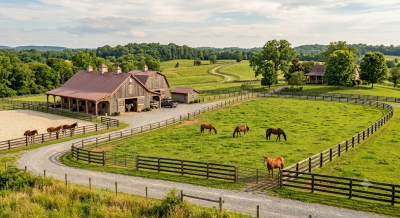
Many first-time acreage buyers focus on appearance while overlooking practical details. Avoiding a few common mistakes can save considerable time and money.
Some of the most frequent issues include:
- Assuming every acre is usable pasture
- Forgetting to verify water rights
- Ignoring fencing repair costs
- Underestimating barn maintenance
- Overlooking trailer accessibility
- Failing to review zoning regulations
- Not budgeting for ongoing property maintenance
Taking time to evaluate each of these areas provides a more complete picture of the property’s true value.
Why Work With a Local Real Estate Professional?
Horse properties involve many details that differ from standard residential transactions. Local experience helps buyers identify opportunities while asking the right questions throughout the buying process.
A knowledgeable real estate professional can help evaluate acreage, explain local market conditions, coordinate inspections, review property records, and identify features that align with your goals. This guidance can simplify the buying process while helping you make informed decisions.
For buyers searching for horse property Grand Junction, local market knowledge is especially valuable because no two acreage properties are exactly alike.
Frequently Asked Questions
Is horse property more expensive than a regular home?
Horse property often costs more because it includes additional land, agricultural improvements, barns, fencing, and utility systems. The total value depends on acreage, location, infrastructure, and overall property condition.
Can I add horse facilities after purchasing acreage?
In many cases, yes. Before building barns, arenas, or additional structures, verify zoning requirements, permits, setback regulations, and utility availability to determine what improvements are allowed.
What should I look for during a horse property tour?
Beyond the home itself, inspect fencing, barns, drainage, pasture condition, water systems, access roads, irrigation equipment, and available storage. These features often influence long-term ownership costs.
Is irrigation necessary for horse property?
Not every property requires irrigation, but it can help maintain healthy pasture, reduce dust, and support landscaping. Buyers should understand available water sources before making a purchase.
Find the Right Horse Property in Grand Junction
Buying horse property Grand Junction requires more than comparing square footage or acreage. Water access, pasture quality, fencing, zoning, and supporting infrastructure all contribute to a property’s long-term value and usability.
Whether you’re searching for a small acreage home or a larger equestrian property, Kokopelli Real Estate LLC provides local market knowledge and personalized guidance to help buyers navigate every stage of the process. Our experience with Grand Junction real estate helps you find a property that supports both your lifestyle and your future plans. Schedule a consultation with us today.