
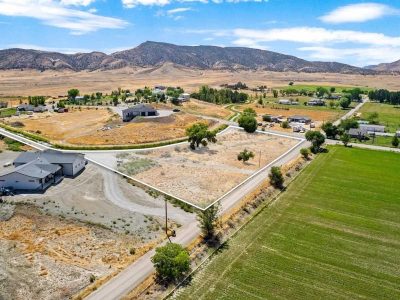
Property management in Loma and Mack, Colorado, requires a different approach than managing rentals in larger cities. Rural areas present specific challenges such as tenant sourcing, longer maintenance timelines, and fewer service providers. At the same time, these areas offer strong opportunities for steady rental income and long-termtenants when properties are managed with the right systems.
Property owners across Mesa County often find that rural rentals can perform well when tenant screening, maintenance planning, and local knowledge work together. The sections below explain the unique realities of managing rentals in Loma and Mack, along with practical strategies that help property owners protect their investments.
What Makes Rural Property Management in Loma and Mack Different?
Rural property management focuses on solving location-based challenges while using the benefits of lowercompetition and stable tenants. Owners must plan ahead for tenant demand, property maintenance, and service availability.
Unlike urban rental markets, Loma and Mack properties may sit farther from major service hubs. Maintenance crews,contractors, and even utility services may take longer to reach the property. Property managers must keep reliable vendor relationships and schedule preventative work before small issues grow into costly repairs.
Tenant turnover also works differently in rural areas. While finding a tenant may take more effort, many renters stay longer once they settle into a rural home. Long-term leases and strong communication often help reduce vacancy periods.
For owners working with professionals familiar with Mesa County, these differences can become advantages rather than obstacles.
How Do Property Owners Find Tenants for Rural Rentals?
Tenant sourcing in rural markets depends on targeted marketing and understanding the local workforce. Propertymanagers must focus on the types of tenants who already work or commute within the area.
In Loma and Mack, common tenant groups include agricultural workers, energy sector employees, logistics staff, andpeople who commute into Grand Junction for work. Listing a property without identifying these groups often leads to longer vacancy periods.
Successful property managers rely on several proven approaches:
- Local employer connections help spread the word when workers move into the
- Online listings with detailed location information attract renters who prefer quieter living outside city centers.
- Professional photography and accurate descriptions help rural properties stand out against limited inventory.
- Clear commute details for Grand Junction jobs give renters confidence about travel
These steps reduce vacancy gaps and attract tenants who plan to stay longer.
Why Do Rural Tenants Often Stay Longer?
Rural tenants often remain in place for several years because housing options nearby are limited. Once renters find ahome that fits their work location and lifestyle, they prefer stability.
This pattern appears frequently in Loma and Mack, where rental inventory is smaller than in nearby urban areas.A tenant who enjoys the space, quiet environment, and easy access to outdoor recreation often renews their lease.
Long-term tenants bring several advantages for property owners. Reduced turnover means fewer cleaning costs, fewer marketing expenses, and fewer weeks without rent income.
Property managers can also build stronger communication with tenants who stay for multiple years.
Owners who maintain the property well and respond quickly to repair requests usually see higher renewal rates.
Maintenance Planning Matters More in Rural Rentals
Maintenance planning carries greater weight in rural properties because emergency services can take longer to arrive. Preventive work helps avoid costly breakdowns.
Homes in Loma and Mack may rely on systems that require routine attention. Septic systems, well water equipment, and private access roads need regular inspection. If maintenance falls behind, repair costs can rise quickly.
Property managers often schedule seasonal checks that include roof inspections, heating system servicing, andwater system monitoring. This approach keeps systems working during extreme weather and prevents tenant disruptions.
Reliable vendor partnerships are also essential. Experienced property managers maintain relationships with electricians, plumbers, HVAC technicians, and handymen across Mesa County so repairs can begin quickly when needed.
With the right maintenance schedule, rural homes can remain reliable and attractive to renters.
What Common Maintenance Issues Appear in Rural Properties?
Rural properties face different maintenance patterns than city rentals. Environmental exposure and utility systems create several common issues.
Homes around Loma and Mack often experience higher dust levels due to the surrounding farmland and openterrain. Air filters need more frequent replacement to protect heating and cooling equipment.
Septic systems require regular pumping and inspection to prevent backups. Property managers usually schedule service every few years, depending on system size and tenant usage.
Well water systems may need pump maintenance or water quality testing. Many rural property managers keep records of service history so that small issues are addressed early.
Driveway and road access maintenance also matters. Gravel roads may require grading after storms or seasonal wear. These details affect tenant satisfaction and property accessibility.
Owners who address these items through regular inspections often prevent large repair bills later.
Pricing Rural Rentals in the Loma and Mack Market
Setting the right rent price in rural areas requires careful analysis. The goal is to balance local demand with the limited number of comparable properties.
Rental prices in Loma and Mack often depend on several factors:
- Distance from Grand Junction
- Property size and acreage
- Condition of the home and updates
- Parking availability for work vehicles or trailers
- Access to outdoor recreation areas
Property managers review recent rental listings across Mesa County and track lease durations to estimate realistic pricing. A rent amount that sits slightly below similar homes may attract tenants faster and reduce vacancy losses.
Owners who price rentals too high often see longer marketing periods, which can offset any potential rent gains.
Accurate pricing keeps the property competitive while protecting long-term revenue.
Why Local Knowledge Improves Rural Property Management?
 Local knowledge helps property managers solve problems faster and make better decisions. Rural communities operate differently from urban markets, and small details can influence tenant demand.
Property managers who work in Mesa County understand commuting patterns, employer hiring cycles, and seasonalhousing demand. They also know which contractors are reliable and which maintenance issues commonly affect homes in the area.
In Loma and Mack, knowledge of agricultural seasons and regional industries helps property managers anticipatewhen new tenants may be searching for housing. This timing helps reduce vacancy gaps between leases.
Local relationships also help when emergency repairs arise. Contractors are more likely to respond quickly when they already have working relationships with the property manager.
For property owners who live outside the region, this local insight provides peace of mind.
Opportunities for Rental Property Owners in Rural Western Colorado
Rural rental properties often provide stable long-term income when managed carefully. Demand continues to grow as workers move to quieter communities near Grand Junction.
Many tenants seek homes with more space, outdoor access, and lower population density. Rural areas such asLoma and Mack meet these preferences while remaining within commuting distance of major employers.
Property owners can benefit from this demand through steady lease renewals and lower competition compared tolarger cities. Homes with acreage, garages, or storage buildings often attract renters who need space for equipment or recreation.
Owners who maintain their property well and work with experienced property managers often see consistent performance from rural rentals.
FAQ: Rural Property Management in Loma and Mack
Is it harder to find tenants for rural rentals?
Finding tenants can take slightly longer in rural areas because the pool of renters is smaller. Strong marketing and local connections usually solve this challenge. Many tenants actively search for quieter communities near Grand Junction, which helps rural properties attract interest.
How often should rural rental properties be inspected?
Most property managers schedule inspections once or twice per year. These visits help check systems such as septic tanks, HVAC units, and water equipment. Regular inspections catch small issues before they grow into expensive repairs.
Do rural rentals require higher maintenance budgets?
Maintenance costs can vary depending on property features. Homes with wells, septic systems, or long driveways may need additional upkeep. Preventive maintenance often keeps costs predictable and avoids emergency repairs.
Are long-term tenants common in rural areas?
Yes. Rural tenants often stay longer than urban renters because housing options nearby are limited. A comfortable home with reliable maintenance usually leads to lease renewals and steady income for property owners.
Should rural property owners hire a professional manager?
Many owners choose professional management to handle tenant screening, maintenance coordination, and rent collection. Managers with local experience in Mesa County help reduce vacancies and keep properties running smoothly.
Conclusion
Managing rural rentals requires planning, local knowledge, and consistent maintenance. Property owners in Lomaand Mack can benefit from stable tenants and steady rental demand when these factors are handled correctly.
Kokopelli Real Estate LLC provides property management services for owners across Grand Junction, Mesa County,and surrounding Western Colorado communities. Our team helps with tenant sourcing, maintenance coordination, and day-to-day management so rural property owners can protect their investments while generating reliable rental income. Schedule a consultation with us today to learn more.