
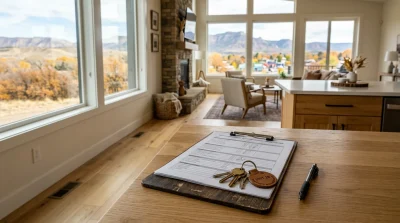
 Managing rental investments in Mesa County requires proactive oversight as the calendar year winds down. Following a dedicated property management grand junction checklist before December 31 ensures your rental units are fully winterized against freezing high-desert temperatures, lease renewals are locked in ahead of the holidays, insurance policies remain accurately valued, and financial books are organized for tax season.
Key Questions Answered
- What are the most critical year-end tasks for Grand Junction landlords? Landlords must complete freeze-prevention winter maintenance, review upcoming winter/spring lease expirations, audit property insurance replacement values, update vendor W-9s, and ensure compliance with recent Colorado landlord-tenant statutory updates.
- How does winter weather in the Grand Valley impact rental maintenance? Freezing temperatures and sudden winter cold snaps can burst outdoor irrigation backflow assemblies, freeze uninsulated hose bibs, strain aging furnace heating elements, and cause roof ice dams if gutters remain clogged.
- Why should lease audits happen before December 31? Conducting lease audits in November allows property owners to send required 60-day renewal notices for January and February expirations, avoiding costly mid-winter vacancies during the slowest rental turnover period of the year.
Key Takeaways (TL;DR)
- Prevent Costly Freeze Damage: Ensure outdoor irrigation systems are blown out, hose bibs are disconnected, and heating systems are tested before sub-freezing nights arrive in the Grand Valley.
- Lock In Early Lease Renewals: Avoid mid-winter vacancies by securing tenant lease agreements 60 to 90 days ahead of spring expiration dates.
- Close Out Annual Accounting: Collect vendor receipts, verify tenant security deposit ledgers, and compile year-end income and expense statements before December 31.
The Value of Fourth-Quarter Rental Property Oversight
The final two months of the year can easily slip away between holiday schedules and family commitments. However, for residential landlords in Grand Junction, Fruita, Palisade, and Clifton, neglect during November and December can lead to expensive emergency repairs and administrative headaches.
By conducting a structured year-end audit across four operational pillars—Physical Maintenance, Tenant & Lease Agreements, Insurance Coverage, and Financial Bookkeeping—you safeguard both property condition and cash flow for the upcoming year.
1. Physical Winterization and Preventative Maintenance
High-desert winter weather brings freezing overnight temperatures that test plumbing and HVAC systems. Completing physical checks before the first hard freeze prevents emergency calls on Christmas Eve.
Critical Winter Maintenance Checklist
- Irrigation Blowouts & Outdoor Faucets: Ensure sprinkler lines are blown out with compressed air, turn off interior shutoff valves to exterior spigots, and confirm tenants have disconnected garden hoses.
- Swamp Cooler Shutdown: Disconnect water supply lines, drain reservoir pans, install winter covers, and close interior dampers to eliminate cold drafts.
- Heating System Servicing: Replace furnace air filters, check thermostat calibration, inspect exhaust flues, and verify furnace igniters fire properly.
- Gutter & Downspout Clearing: Remove late autumn cottonwood and elm leaves to ensure melting snow and rain drain away from foundations, preventing roof leaks and icy walkways.
- Smoke & Carbon Monoxide Detectors: Test all smoke and CO detectors and replace backup batteries to maintain habitability standards under Colorado law.
2. Lease Audits and Renewal Strategy
Navigating tenant renewals smoothly prevents unexpected vacancies during December and January, when prospective tenant search volume is at its lowest.
| Lease Expiration Window | Recommended Year-End Action | Strategic Goal |
|---|---|---|
| January – February Expirations | Issue formal renewal offers with adjusted market rates immediately | Secure lease commitments before holiday travel begins. |
| March – May Expirations | Send preliminary check-in surveys regarding tenant renewal intent | Plan spring property turnover and upgrade timelines early. |
| Month-to-Month Agreements | Audit existing agreements against current Colorado notice statutes | Transition long-term tenants into stable 12-month fixed leases. |
Staying Compliant with Colorado Rental Laws
Ensure all lease documents align with recent Colorado statutory updates, including caps on late fees, revised security deposit return timelines, and updated just-cause lease non-renewal requirements.
3. Property Insurance and Liability Review
Construction and labor costs across the Western Slope have increased over recent years. An annual insurance audit ensures you are neither underinsured nor overpaying.
- Replacement Cost Audit: Verify your landlord hazard policy reflects current local building and materials replacement costs, rather than outdated valuation baselines.
- Loss of Rental Income Coverage: Confirm your policy includes adequate rental income reimbursement coverage in the event of an insurable fire, pipe burst, or structural damage event.
- Liability Limits: Review landlord liability limits, especially for properties with detached shops, wood-burning stoves, or multi-family shared spaces.
- Tenant Renter’s Insurance Verification: Collect updated certificates of active renter’s insurance policies from all current tenants as mandated by your lease agreements.
4. Year-End Financial and Document Organization
Getting your financial records in order before December 31 saves hours of stress when preparing 1099s and tax filings in January.
- Vendor W-9 Verification: Ensure you have collected signed IRS Form W-9s from all independent contractors, handymen, and maintenance technicians paid $600 or more during the calendar year.
- Security Deposit Accounting: Audit separate bank escrow accounts to verify all tenant deposit balances match active lease agreements and accrued interest requirements.
- Categorize Capital vs. Operating Expenses: Separate routine repairs (100% deductible this tax year) from capital improvements (requiring multi-year depreciation schedules) with clear invoices.
- Mileage & Receipt Reconciliation: Log all business mileage driven for Grand Junction property visits, inspections, and hardware runs while travel logs are fresh.
Tailored Checklists by Property Type
- Single-Family Homes: Focus on tenant education regarding exterior hose removal, furnace filter replacement, and prompt reporting of interior plumbing leaks.
- Small Multi-Family / Duplexes: Inspect common-area lighting, clear shared exterior stairs and walkways of slip hazards, and service central water heaters.
- Vacation & Short-Term Rentals (Fruita / Palisade): Schedule deep cleans during off-peak November/December dates, update digital house manuals with winter heating instructions, and replenish linens and kitchen supplies.
Streamlining Year-End Maintenance with Kokopelli Home Services
Managing multiple properties while juggling winter repairs can quickly stretch any landlord’s schedule.
Kokopelli Home Services provides reliable handyman solutions, seasonal maintenance, and prompt repair services throughout Grand Junction and Mesa County. From winterizing exterior fixtures and replacing furnace filters to clearing gutters, patching tenant drywall wear, and completing pre-inspection punch lists, our experienced team ensures your rental properties stay in peak condition with clear, itemized invoices ready for your tax records.
Frequently asked questions
When should Grand Junction landlords turn off exterior water lines?
Outdoor irrigation systems and sprinkler lines in Mesa County should be blown out by late October or early November, before consistent nightly temperatures drop below 32°F.
Are landlords required to provide snow removal in Colorado?
For multi-family properties, landlords or property managers are generally responsible for clearing common sidewalks, parking areas, and entry stairs within 24 hours of snowfall. For single-family rentals, lease agreements often assign routine driveway and walkway clearing to the tenant, but clear lease language is essential.
What is the deadline for sending Form 1099-NEC to contractors?
Conclusion
Taking the time to complete your year-end property management checklist before December 31 safeguards your Grand Junction rentals against preventable winter damage, eliminates surprise vacancies, and sets your real estate business up for a smooth, profitable new year.