
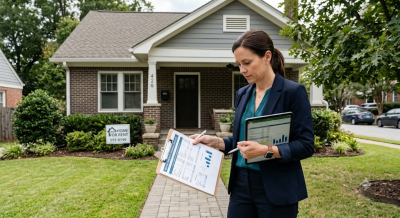
Buying an investment property Grand Junction can provide steady rental income and long-term value when you understand the local market before making a purchase. Strong returns depend on more than the purchase price. Rental demand, operating costs, neighborhood growth, financing, and property condition all influence your return on investment (ROI). Taking time to evaluate these factors helps investors make informed decisions and avoid expensive surprises.
Grand Junction continues to attract new residents because of its outdoor lifestyle, growing healthcare sector, education opportunities, and regional business activity. These factors support rental demand, but every investment should still be evaluated based on numbers rather than assumptions.
What Does ROI Mean for an Investment Property?
ROI measures how much income a property generates compared to the money invested. While appreciation can increase long-term wealth, cash flow is what keeps an investment performing month after month.
A complete ROI calculation should include purchase costs, repairs, financing, insurance, taxes, maintenance, vacancy periods, and property management expenses. Looking only at rental income can create an unrealistic picture of profitability.
Many experienced investors review:
- Monthly cash flow
- Annual net operating income (NOI)
- Capital expenditures
- Expected vacancy rate
- Long-term appreciation potential
Considering all of these numbers together creates a more accurate view of how a property is likely to perform.
Why Is Grand Junction Attracting Real Estate Investors?
Grand Junction offers several characteristics that appeal to both first-time and experienced investors. Its diverse local economy helps support consistent rental demand across different tenant groups.
Healthcare facilities, educational institutions, retail employers, manufacturing businesses, and tourism all contribute to a broad employment base. Rather than relying on one major industry, the area benefits from multiple sectors that support housing demand.
The region also attracts people looking for a better quality of life. Outdoor recreation, wineries, nearby national parks, and year-round activities continue drawing both new residents and retirees to western Colorado.
These factors have helped maintain a healthy interest in rental housing throughout Grand Junction and the surrounding Grand Valley.
Which Neighborhood Features Usually Produce Better Returns?
Neighborhood selection often has a greater effect on ROI than the property itself. A modest home in a desirable area may outperform a larger property in a location with weaker rental demand.
Investors should look beyond current home prices and consider factors that support long-term occupancy.
Employment Access Matters
Properties located near major employers often experience stronger rental demand because shorter commutes appeal to tenants. Medical professionals, educators, government employees, and service workers frequently prefer housing close to their workplaces.
Easy highway access can also increase rental appeal for commuters.
Schools and Everyday Convenience Add Value
Even renters without children often appreciate neighborhoods with quality schools because these areas typically maintain stronger property values.
Nearby grocery stores, parks, restaurants, fitness centers, and healthcare services can also make a property more attractive to prospective tenants.
Future Development Can Influence Appreciation
Planned infrastructure projects, commercial development, and community improvements may increase property values over time.
Researching city planning documents before buying can provide useful insight into future neighborhood growth rather than relying solely on current market conditions.
How Should Investors Estimate Rental Income?
Accurate rental projections begin with comparable properties rather than online estimates. Reviewing similar rentals in size, age, condition, and location provides a more realistic picture of market rent.
Investors should also account for seasonal fluctuations instead of assuming a property will remain occupied every month of the year.
Useful questions include:
- What do similar homes currently rent for?
- How quickly do comparable properties lease?
- What amenities do competing rentals offer?
- How long do tenants typically stay?
- Are rents trending upward or remaining stable?
Conservative income estimates usually produce more dependable investment decisions than optimistic projections.
What Expenses Do New Investors Often Overlook?
Unexpected costs are one of the biggest reasons rental properties fail to meet financial expectations. Planning for these expenses before purchasing helps protect long-term returns.
Beyond the mortgage payment, investors should budget for property taxes, insurance, repairs, landscaping, utilities when applicable, homeowner association fees, licensing requirements, and accounting costs.
Many owners also underestimate the financial effect of vacancy. Even a well-maintained property may remain empty between tenants, reducing annual income.
Another commonly missed expense is capital improvements. Roof replacement, HVAC systems, appliances, flooring, and exterior maintenance eventually require larger investments than routine repairs.
Setting aside reserve funds each month helps reduce financial stress when these expenses arise.
Should You Renovate Before Renting?
Not every renovation increases ROI. Successful investors focus on improvements that renters notice and value instead of expensive upgrades that add little rental income.
Fresh interior paint, durable flooring, updated lighting, modern fixtures, energy-efficient appliances, and attractive landscaping often provide a better return than luxury finishes.
Before beginning renovations, compare improvement costs with expected rent increases. Spending thousands of dollars on upgrades that only increase rent slightly can delay profitability.
Simple improvements that reduce future maintenance can often provide greater long-term value than cosmetic projects alone.
How Does Property Management Affect ROI?
Professional property management can improve investment performance by reducing vacancies, handling maintenance efficiently, and helping retain quality tenants. Although management fees are an operating expense, many investors find that they offset costs through smoother day-to-day operations.
Property managers typically assist with:
- Rental pricing based on current market conditions
- Marketing vacant properties
- Tenant screening
- Lease preparation
- Rent collection
- Maintenance coordination
- Property inspections
- Legal compliance
Well-managed properties often experience fewer costly issues because maintenance is addressed before small problems become expensive repairs.
For investors who own multiple properties or live outside Grand Junction, professional management can also save significant time.
What Mistakes Can Reduce Rental Property Returns?
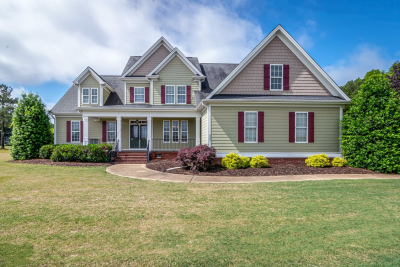
Rental Property Returns
Many investment mistakes occur before closing rather than after purchasing. Careful research helps reduce unnecessary financial risk.
Common pitfalls include paying too much based on emotional decisions, underestimating repair costs, ignoring local rental trends, skipping professional inspections, and assuming appreciation alone will generate profits.
Another mistake is purchasing a property without understanding the target tenant. A home that appeals to families may require different features than one intended for young professionals or retirees.
Strong investment decisions rely on objective financial analysis instead of hoping market conditions will solve poor purchasing choices.
Why Should Investors Work With Local Real Estate Professionals?
Local knowledge can make a measurable difference when evaluating an investment property Grand Junction. Market trends often vary from one neighborhood to another, and rental demand can shift based on employer growth, housing inventory, and seasonal activity.
Professionals who regularly work with investors understand current rental rates, neighborhood performance, property values, and local regulations that affect landlords.
They can also identify opportunities that align with an investor’s financial goals rather than simply helping complete a transaction.
For buyers entering the Grand Junction market for the first time, local guidance may help avoid common mistakes while creating a stronger long-term investment strategy.
Frequently Asked Questions
Is Grand Junction a good place to buy rental property?
Grand Junction offers steady rental demand supported by healthcare, education, tourism, and regional businesses. Investors who carefully evaluate neighborhoods, expenses, and rental income can find opportunities that fit different investment goals.
What is considered a good ROI on a rental property?
The answer depends on financing, property condition, market conditions, and investment strategy. Rather than focusing on one percentage, investors should evaluate cash flow, operating expenses, appreciation potential, and long-term financial performance together.
Should first-time investors hire a property manager?
Many first-time investors benefit from professional management because it helps with tenant screening, maintenance coordination, legal compliance, and rental pricing. This can reduce stress while protecting the property’s long-term performance.
How much should investors budget for maintenance?
Many investors reserve around 1% to 2% of a property’s value annually for maintenance and future repairs, although actual costs vary depending on the property’s age and condition.
Does location matter more than the property’s appearance?
Location often has a greater effect on long-term ROI because it influences rental demand, occupancy, appreciation, and resale value. Cosmetic improvements can be made over time, but a property’s location cannot be changed.
Owning an investment property Grand Junction can be a rewarding long-term strategy when every purchase is backed by careful research and realistic financial planning. Looking beyond the listing price and evaluating rental demand, operating costs, neighborhood trends, and management needs helps investors make stronger decisions.
If you’re looking to purchase or manage an investment property Grand Junction, Kokopelli Real Estate LLC provides local market knowledge, real estate expertise, and professional property management services. Contact us to make informed decisions and maximize the potential of your rental properties throughout Grand Junction and the surrounding Grand Valley.