
Rental Property ROI in Grand Junction depends on three core drivers: monthly cash flow, cap rate, and long-term property value growth. Investors who evaluate these three together get a realistic picture of performance instead of relying on rent alone. In Grand Junction, CO, returns are shaped by local rent demand, maintenance costs, taxes, and vacancy cycles tied to seasonal movement and workforce housing needs.
What Drives Rental ROI in Grand Junction?
Rental ROI in Grand Junction is driven by income stability, purchase price, and ongoing operating costs. Properties near jobs, schools, and transit corridors tend to generate stronger rent consistency. ROI also shifts based on how well the property is managed and how quickly vacancies are filled.
In Grand Junction, rental demand is influenced by healthcare workers, energy sector employees, students, and service industry tenants. Areas closer to Colorado Mesa University often see steady occupancy due to student housing needs. Suburban pockets tend to attract longer-term family renters who prefer stable leases over frequent moves.
Another key factor is the property condition at purchase. Homes needing major repairs can reduce ROI if renovation costs are not planned correctly. Investors who ignore initial repair budgets often see lower returns in the first 2 to 3 years.
How Do You Calculate Cash Flow on a Grand Junction Rental?
Cash flow in Grand Junction is calculated by subtracting total monthly expenses from rental income. Expenses include mortgage payments, taxes, insurance, maintenance, vacancy allowance, and property management fees. A positive cash flow means the property earns more than it costs each month.
Typical rental ranges in Grand Junction vary by unit type. One-bedroom units often rent between $1,100 and $1,400. Two-bedroom units generally fall between $1,300 and $1,700, while single-family homes often range from $1,800 to $2,500, depending on location and condition.
Costs that impact cash flow include repairs, turnover cleaning, and unexpected maintenance like plumbing or roof issues. Investors often underestimate seasonal maintenance needs, especially in properties with older systems. A realistic cash flow model should also include a vacancy buffer of at least 5 to 8 percent annually.
What Is a Good Cap Rate for Grand Junction Properties?
A good cap rate in Grand Junction typically ranges from 5 percent to 8 percent, depending on property type and location. Lower cap rates usually reflect lower risk and better-condition properties. Higher cap rates can signal higher risk, older housing stock, or increased maintenance needs.
Cap rate is calculated by dividing net operating income by property purchase price. It gives investors a quick way to compare properties without factoring in financing structure. In Mesa County, small multifamily properties often show stronger cap rates than single-family homes due to higher rent-per-unit efficiency.
Investors should be cautious of unusually high cap rates that look attractive on paper. These often come with higher repair costs or inconsistent tenant history. A balanced cap rate analysis should always include a review of neighborhood demand and long-term rent stability.
Grand Junction Rental Income Patterns and Tenant Demand Drivers
Rental income in Grand Junction follows predictable patterns linked to employment hubs and housing availability. Demand remains steady near healthcare centers, retail zones, and educational institutions. This creates a consistent base of renters even during slower economic cycles.
Tenant demand is also shaped by lifestyle preferences in Western Colorado. Many renters prefer access to outdoor recreation while staying close to urban services. This balance influences which neighborhoods maintain lower vacancy rates over time.
Seasonal movement plays a role as well. Summer months often bring higher rental activity due to relocations and job changes. Winter periods may slow leasing activity slightly, which can affect short-term income consistency if vacancies are not planned properly.
What Vacancy Rates and Risks Should Investors Plan For?
Vacancy rates in Grand Junction typically range between 5 percent and 8 percent, depending on property condition and location. Well-managed homes in desirable areas often stay closer to the lower end of that range. Poor maintenance or overpricing can push vacancy higher.
Risks in this market include tenant turnover, delayed repairs, and inconsistent rent pricing. Properties that are not priced correctly can sit vacant longer than expected. Another risk is underestimating the time required to find qualified tenants in certain neighborhoods.
Investors should also account for lease gaps between tenants. Even short vacancy periods can impact annual ROI significantly. Strong tenant screening and proactive maintenance scheduling reduce these risks over time.
How Do Property Taxes and Insurance Affect ROI in Mesa County?
Property taxes and insurance directly reduce net rental income in Mesa County and must be included in every ROI calculation. Taxes vary based on assessed property value and local mill levies. Insurance costs depend on property age, condition, and coverage level.
In Grand Junction, insurance rates can be influenced by weather exposure and replacement costs for materials. Older homes may carry higher premiums due to system risk factors. Investors should review insurance quotes before finalizing purchase decisions to avoid surprises in monthly expenses.
Property taxes in Colorado are moderate compared to some states, but they still impact cash flow. Even small increases in assessed value can change yearly returns. Accurate forecasting of these costs helps maintain realistic ROI expectations.
What Rent Ranges Can Investors Expect in Grand Junction?
Rent ranges depend on property size, location, and condition. Entry-level apartments typically fall between $1,100 and $1,700. Single-family homes often range from $1,800 to $2,500, with higher prices for updated homes or properties near key amenities.
Properties closer to employment centers or newer developments tend to command stronger rents. Homes with updated kitchens, energy-efficient systems, and modern flooring often attract higher-quality tenants. These features also reduce vacancy time between leases.
Older properties may still perform well if priced correctly and maintained consistently. Investors who ignore condition differences between similar listings often misjudge rental income potential.
Should You Use a Rental Analysis Tool Before Buying in Grand Junction?
A rental analysis tool helps investors compare expected income, expenses, and return metrics before buying a property in Grand Junction. It reduces guesswork by organizing cash flow, cap rate, and vacancy assumptions in one place. This allows faster and more informed decisions.
Using a structured analysis tool also highlights hidden costs that are easy to miss during early evaluations. These include maintenance reserves, property management fees, and seasonal vacancy adjustments. Without this step, ROI projections can look stronger than actual performance.
Working with a local team like Kokopelli Real Estate LLC in Grand Junction adds deeper insight into neighborhood-level rent behavior and expense accuracy. Our property management experience helps investors build realistic projections before committing to a purchase.
How Do Long-Term Appreciation Trends Affect Rental Returns?
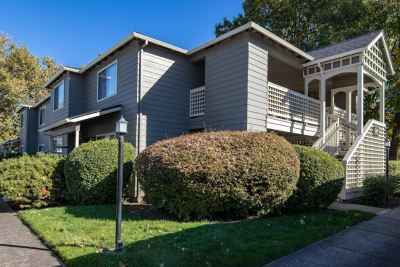
Western Colorado properties often see gradual appreciation rather than sharp spikes. This creates a more stable investment environment for long-term holders. Investors benefit most when holding properties through multiple market cycles.
Renovations and property upgrades can also support appreciation. Improvements in energy efficiency, layout, and curb appeal often increase both rent and resale value. These gains compound over long holding periods.
Why Working with Local Property Management Changes ROI Outcomes?
Local property management in Grand Junction directly impacts ROI through tenant quality, maintenance speed, and rent pricing accuracy. Strong management reduces vacancy time and improves tenant retention. This leads to more stable cash flow over time.
Kokopelli Real Estate LLC in Grand Junction, CO focuses on combining brokerage insight with property management support. Our approach helps investors treat rentals as structured income assets rather than passive holdings. This reduces common mistakes such as underpricing rent or delaying repairs.
Local expertise also improves decision-making during acquisition. Managers who understand Mesa County rent trends can flag properties with hidden cost risks before purchase. This level of insight often leads to stronger long-term returns.
FAQ: Grand Junction Rental Property ROI
What is a good ROI for rental properties in Grand Junction?
A strong rental ROI in Grand Junction typically falls between 8 percent and 12 percent, depending on leverage and property condition. Lower-risk properties may show slightly lower returns but offer more stable income. Investors should evaluate both cash flow and appreciation together.
How much cash flow should a Grand Junction rental generate?
Many investors aim for at least $100 to $300 positive monthly cash flow per property after expenses. This depends on the loan structure and purchase price. Properties with higher maintenance costs may require larger buffers.
Is Grand Junction a good market for first-time real estate investors?
Grand Junction can work well for first-time investors who focus on stable neighborhoods and realistic rent expectations. Understanding local vacancy and maintenance costs is important before buying. Working with local professionals helps reduce early mistakes.
What is the biggest mistake investors make in this market?
One common mistake is underestimating repair and vacancy costs. Another is relying on overly optimistic rent estimates. Both can distort ROI projections and lead to poor purchasing decisions.
Conclusion
Kokopelli Real Estate LLC in Grand Junction helps investors evaluate properties with clear rental analysis and hands-on property management support, making it easier to build stable returns from local real estate. Schedule a consultation with us today.